Winter camping in Colorado offers a unique adventure with daytime temperatures averaging 40-45°F and nighttime lows of 10-20°F. The best locations include Rocky Mountain National Park, Great Sand Dunes, Steamboat Lake State Park, Maroon Bells-Snowmass Wilderness, and Brainard Lake Recreation Area. Essential gear includes a 0°F-rated sleeping bag, four-season tent, and R-5+ insulated sleeping pad. Plan your trip 6-8 weeks in advance to secure permits for popular backcountry areas.
We may be eagerly waiting for spring and rafting season, yet winter doesn’t mean we have to pack up the tent! As winter drapes the rugged landscapes of Colorado, a unique opportunity unfolds for adventurous souls: winter camping. With snow-covered peaks, serene alpine lakes, and crisp mountain air, Colorado offers unparalleled backdrops throughout the winter months.
We’ll explore the best Colorado spots for winter camping, tips on choosing the perfect spot, the essential gear needed to brave the elements, and how to ensure you have an enjoyable winter camping adventure.
What to Expect: Colorado Winter Camping Temperatures & Conditions
Colorado winter camping conditions vary significantly by elevation and region. At lower elevations (under 8,000 feet), expect daytime highs of 40-50°F and overnight lows of 15-25°F. Higher alpine areas (above 9,000 feet) can see temperatures drop to -10°F or colder overnight.
Winter camping season in Colorado runs from late November through early March, with December through February offering the most consistent snow conditions. Colorado averages 300 days of sunshine, making many winter days ideal for camping despite cold temperatures.
Key weather considerations:
- Check forecasts for both daytime highs and overnight lows
- Monitor avalanche conditions in mountainous areas (Colorado Avalanche Information Center)
- Plan for shorter daylight hours (sunset as early as 4:30 PM in December)
- Be prepared for sudden weather changes – Colorado can experience all four seasons in one day
Best Winter Camping Locations in Colorado
Colorado’s top 5 winter camping destinations range from developed campgrounds with amenities to remote backcountry sites requiring permits. Rocky Mountain National Park and Great Sand Dunes offer year-round developed camping, while Maroon Bells and Brainard Lake provide premier backcountry experiences. Steamboat Lake State Park is ideal for beginners with electric hookups and heated facilities.
Rocky Mountain National Park:
Rocky Mountain National Park is open year-round for winter camping, with Moraine Park Campground offering 77 sites and Timber Creek providing a quieter alternative on the west side. Backcountry camping requires a free permit available at park visitor centers.
Nestled in the heart of the Rockies, Rocky Mountain National Park provides a winter wonderland for camping enthusiasts. Trail Ridge Road may be closed, but backcountry camping in areas like Bear Lake and Glacier Gorge offers a secluded and breathtaking experience surrounded by snow-covered peaks and pristine landscapes.
Maroon Bells-Snowmass Wilderness:
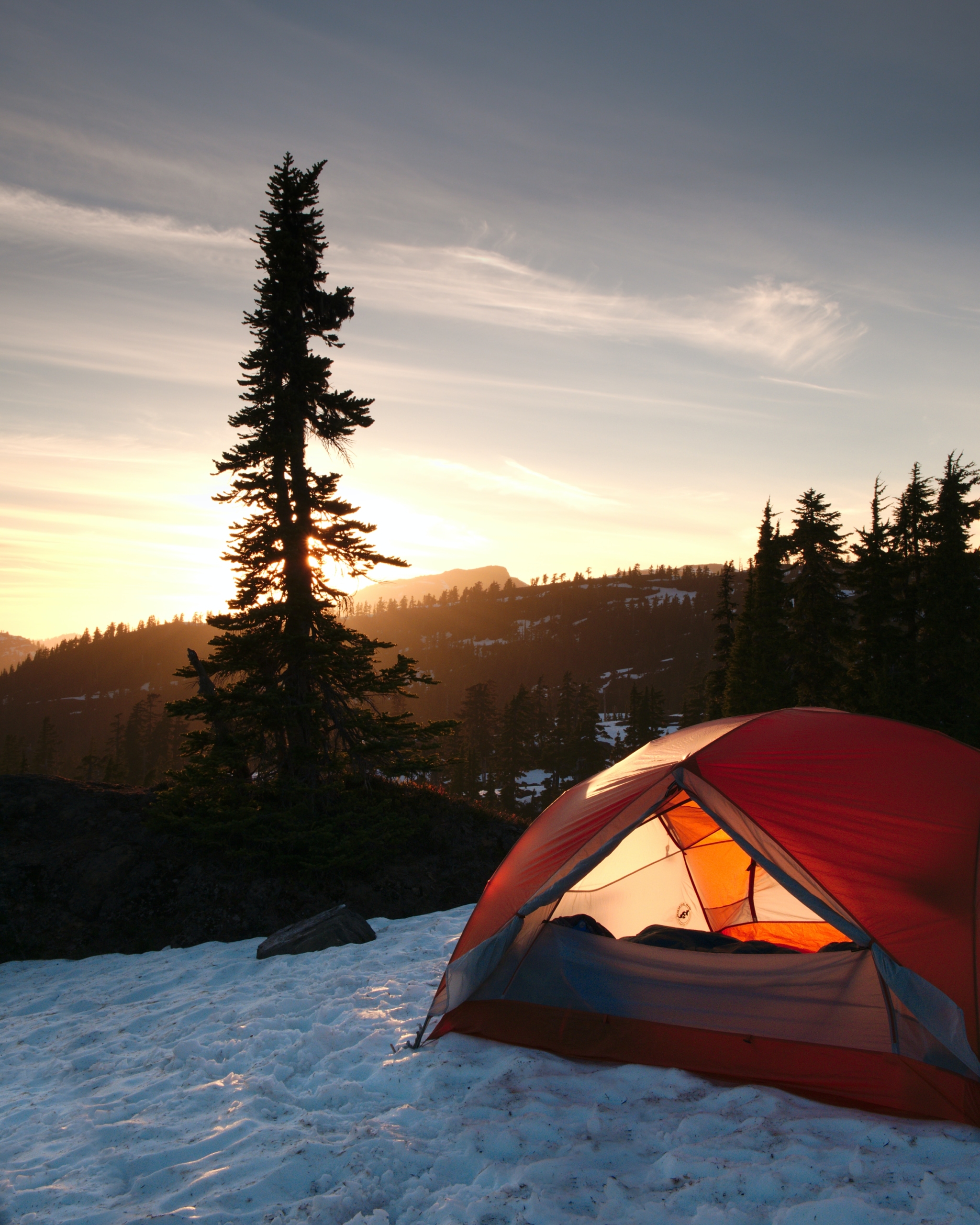
The Maroon Bells, near Aspen, become a serene and snowy haven in winter. While the Crater Lake and Maroon Lake campgrounds close, adventurous campers can explore the area through backcountry camping. Be sure to check the Maroon Bells permit requirements and book your permit well in advance of your trip.
Brainard Lake Recreation Area:
Located in the Indian Peaks Wilderness, the Brainard Lake Recreation Area offers a winter camping escape with its frozen lakes and snow-laden trails. Motor vehicles are not allowed in the Brainard Lakes Recreation Area but the Gateway Trailhead Winter parking lot is open for parking and offers access. Snowshoe to Mitchell and Long Lakes for secluded camping spots amidst snow-covered evergreen forests. View the winter map for more information.
Great Sand Dunes National Park and Preserve:
Great Sand Dunes National Park offers year-round camping at Piñon Flats Campground (88 sites, no reservations Nov-Apr), with backcountry camping available in the dunes any time of year with a free permit.
A unique winter camping destination, Great Sand Dunes transforms into a mesmerizing snow-covered landscape. Several campgrounds near the park stay open year-round, while backcountry camping in the dunes is also a year-round option. These areas provide a surreal experience of camping in the shadow of towering snow-covered peaks against a backdrop of sandy landscapes.
Steamboat Lake State Park:
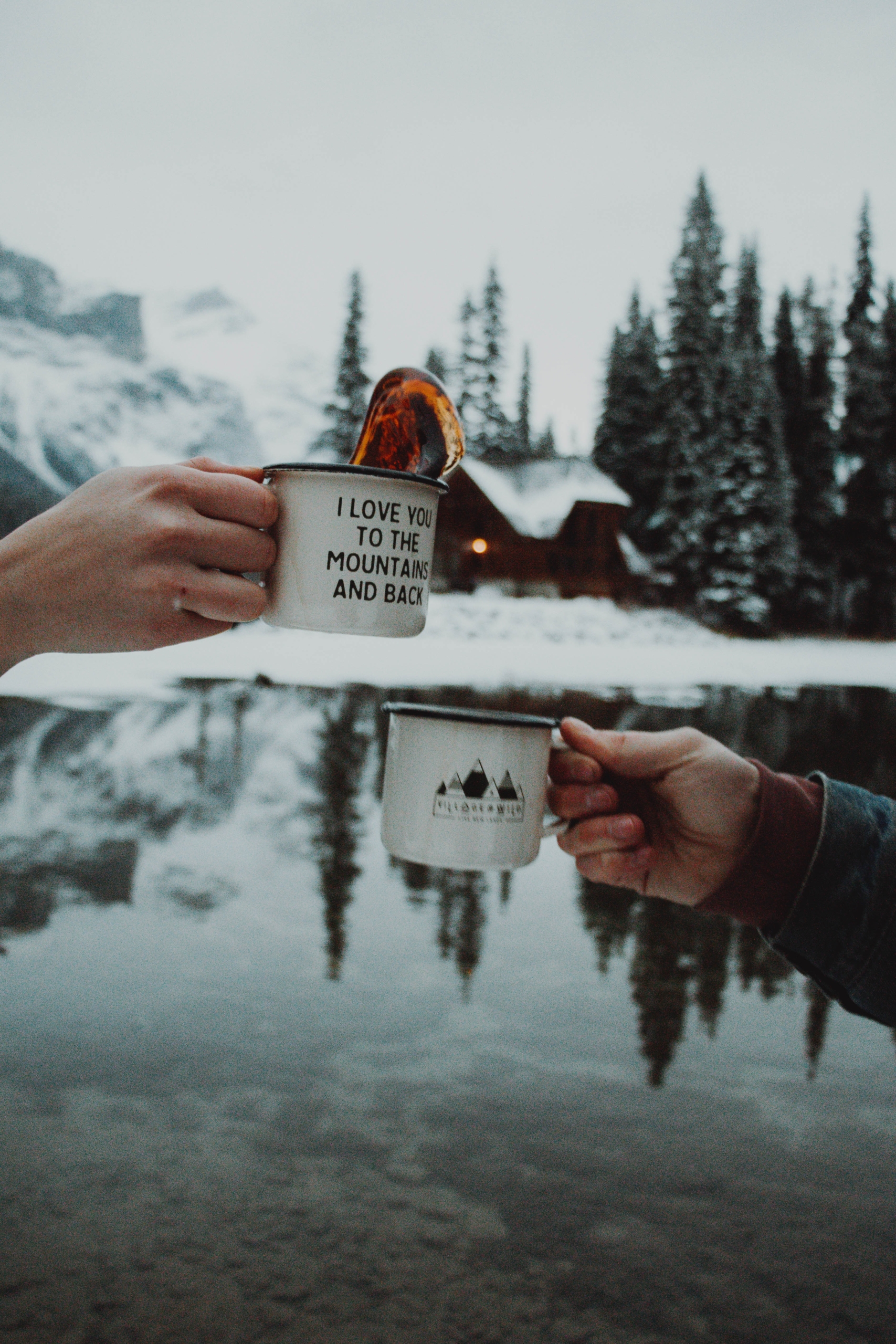
Northwest Colorado’s Steamboat Lake State Park offers winter camping with access to frozen lakes and snow-laden trails. Set up camp along the shores of Steamboat Lake and enjoy a peaceful retreat with opportunities for ice fishing and snowmobiling. Winter camping opportunities include sites for tents and RVs, with non-electric and electric hook-up options, as well as some cabins.
Steamboat Lake State Park is the most beginner-friendly Colorado winter camping destination, offering heated restrooms, electric hookups, and cabin rentals. The park maintains plowed roads to campsites throughout winter.
Eleven Mile State Park
Consider adding Eleven Mile State Park as a 6th location option – frequently mentioned in competitor content as excellent beginner-friendly winter camping near Colorado Springs with ice fishing, less extreme temperatures, and easier access.
How to Choose the Perfect Winter Camping Location
Choose your Colorado winter camping location based on four key factors: your experience level and accessibility needs, desired terrain and activities, expected weather conditions, and permit requirements. Beginners should start with developed campgrounds like Steamboat Lake or Great Sand Dunes before attempting backcountry sites.
Accessibility:
Consider the accessibility of the camping location, especially in winter when certain roads and trails may be closed. Ensure that you have a clear understanding of the accessibility and any winter-specific restrictions in the chosen area. If you do not have backpacking experience or this is your first winter camping adventure, it may be advisable to avoid backcountry sites that require you to carry in all of your gear.
Terrain and Landscape:
Choose a location that aligns with your desired terrain. Whether you seek the challenge of high alpine environments or the unique landscape of the sand dunes, understanding the area is crucial for a fun winter camping experience.
Weather Conditions:
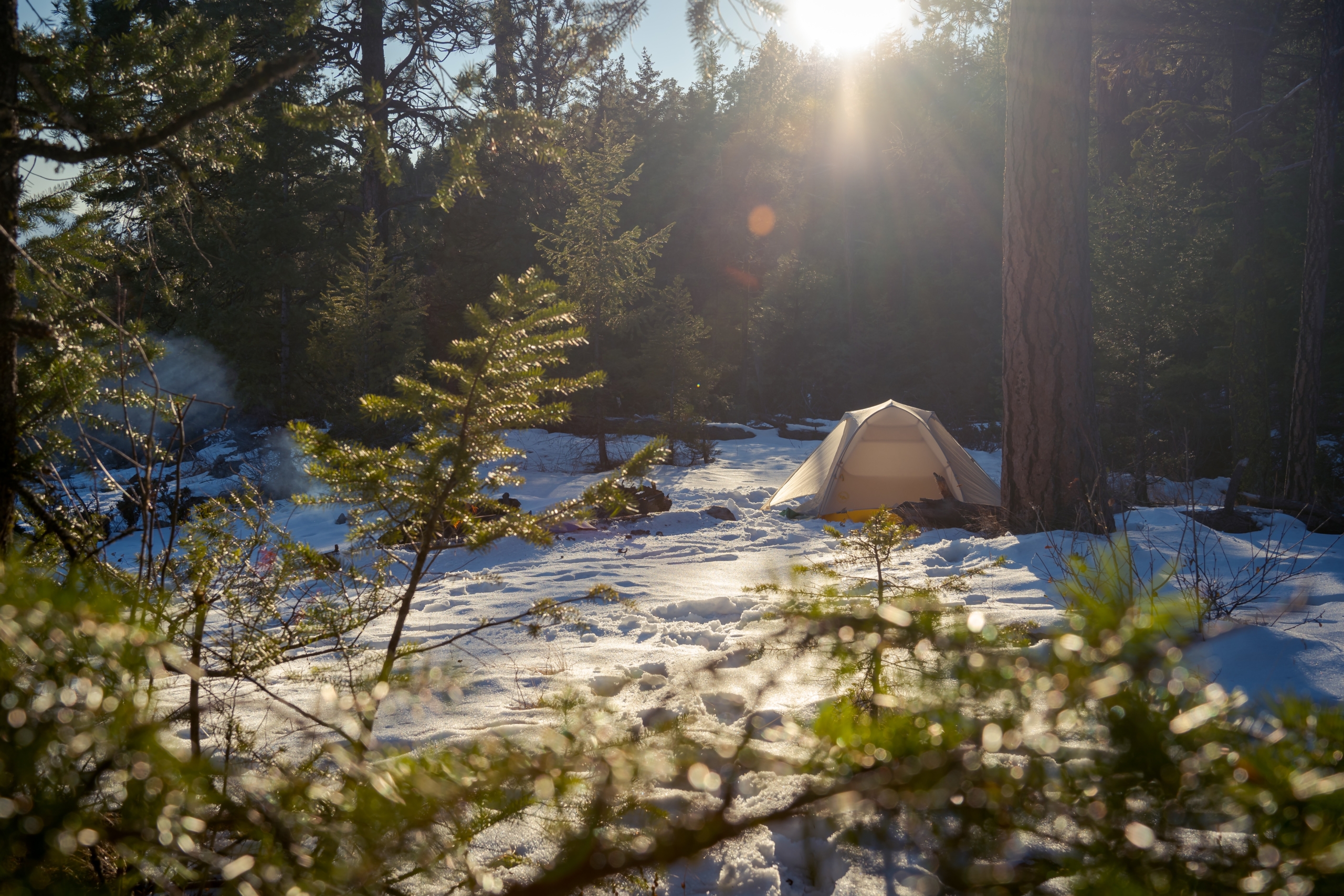
Research the typical weather conditions of the chosen location during the winter months. Be prepared for cold temperatures, potential snowfall, and varying weather patterns. Check Colorado weather forecasts and advisories to plan accordingly.
Colorado winter camping typically means daytime temperatures of 40-45°F and nighttime lows of 10-20°F at lower elevations, with significantly colder conditions above 9,000 feet.
Permit Requirements:
Verify if a permit is required for winter camping in the chosen area. Many popular winter camping destinations, especially in Colorado’s national parks and wilderness areas, may have specific permit requirements to manage the impact on the environment.
Rocky Mountain National Park backcountry permits are free but required; Maroon Bells permits must be booked on Recreation.gov; Great Sand Dunes backcountry permits are free at visitor center; State parks do not require permits beyond campsite reservations.
Essential Winter Camping Gear for Colorado
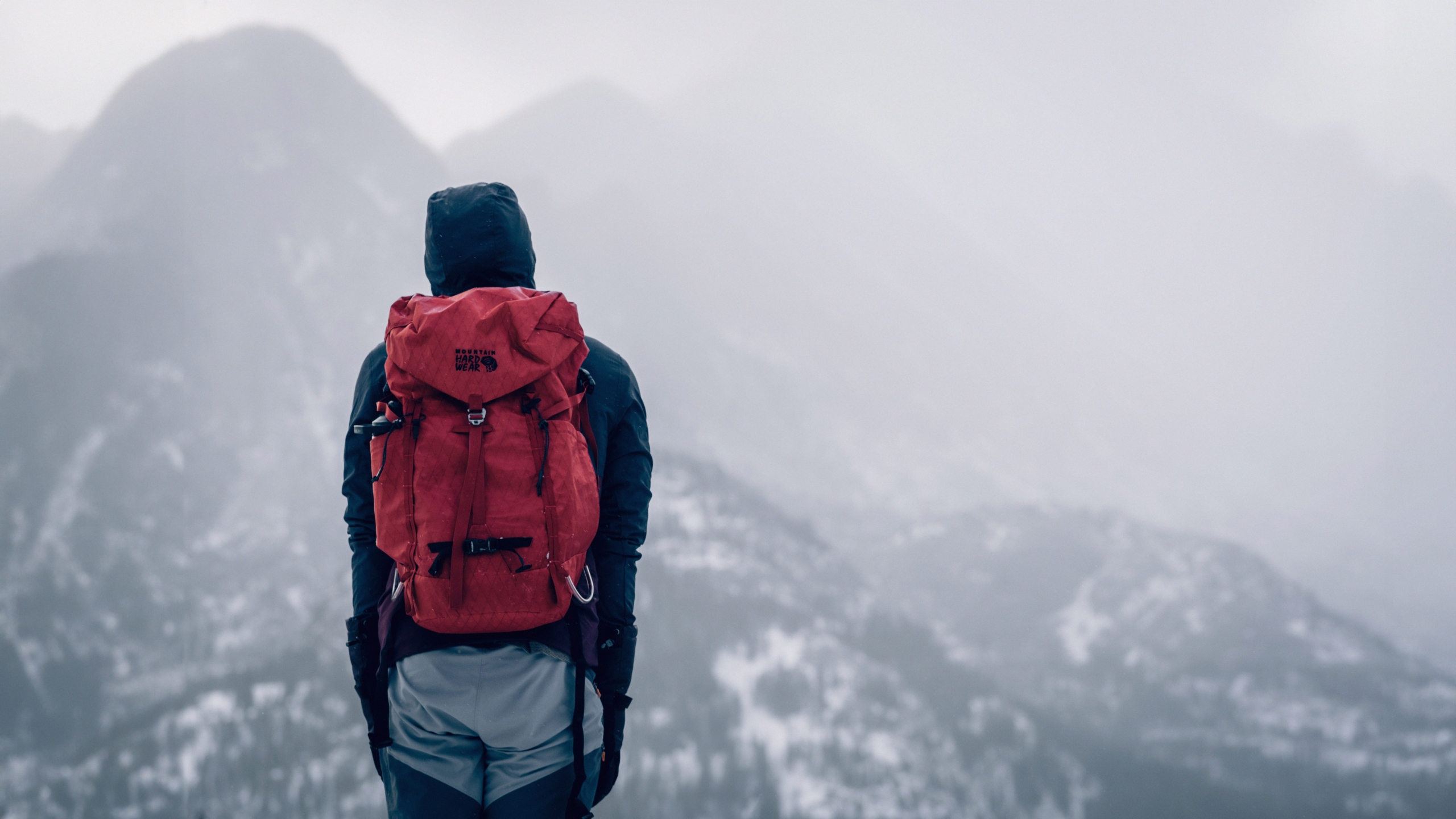
The 10 essential items for Colorado winter camping are: a 0°F-rated sleeping bag, four-season tent, R-5+ insulated sleeping pad, layered clothing system, insulated winter boots, snowshoes or crampons, waterproof winter jacket, cold-weather stove, avalanche safety gear (if applicable), and insulated water bottles. Most three-season gear can work with the right sleeping bag and layers, but investing in cold-weather specific items significantly improves comfort and safety.
Four-Season Tent:
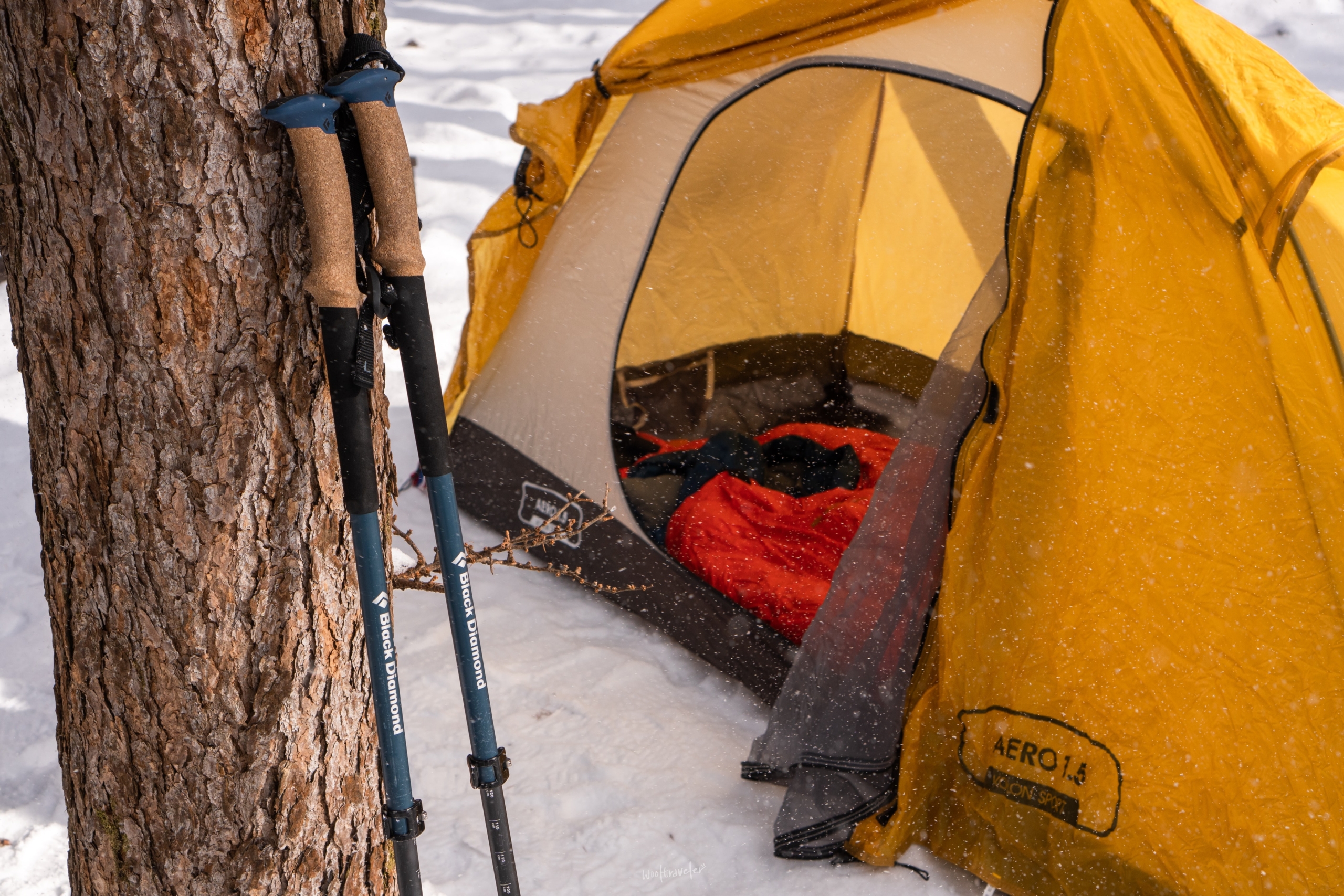
Invest in a sturdy four-season tent designed to withstand winter conditions, including heavy snowfall and frigid temperatures. Look for a tent with proper ventilation to prevent condensation.
Brands like MSR, Big Agnes, and Hilleberg offer reliable winter-specific models. Note: Most 3-season tents work fine for Colorado winter camping when paired with proper sleeping gear – save money by testing your existing tent first
Cold-Rated Sleeping Bag:
Choose a sleeping bag rated to 0°F or lower for Colorado winter camping. Look for bags from The North Face, REI, or Marmot with appropriate EN/ISO temperature ratings.
Insulated Sleeping Pad:
Choose a sleeping pad with an R-value of 5 or higher for winter camping. Brands like Therm-a-Rest and NEMO offer excellent insulated options. Combining an inflatable pad with a closed-cell foam pad (R-2) provides extra insulation and backup protection.
Layered Clothing:
Dress in layers to manage body temperature. Include moisture-wicking base layers, insulating layers for warmth, and a waterproof and windproof outer layer. Don’t forget warm hats, gloves, and waterproof boots.
Snowshoes or Crampons:
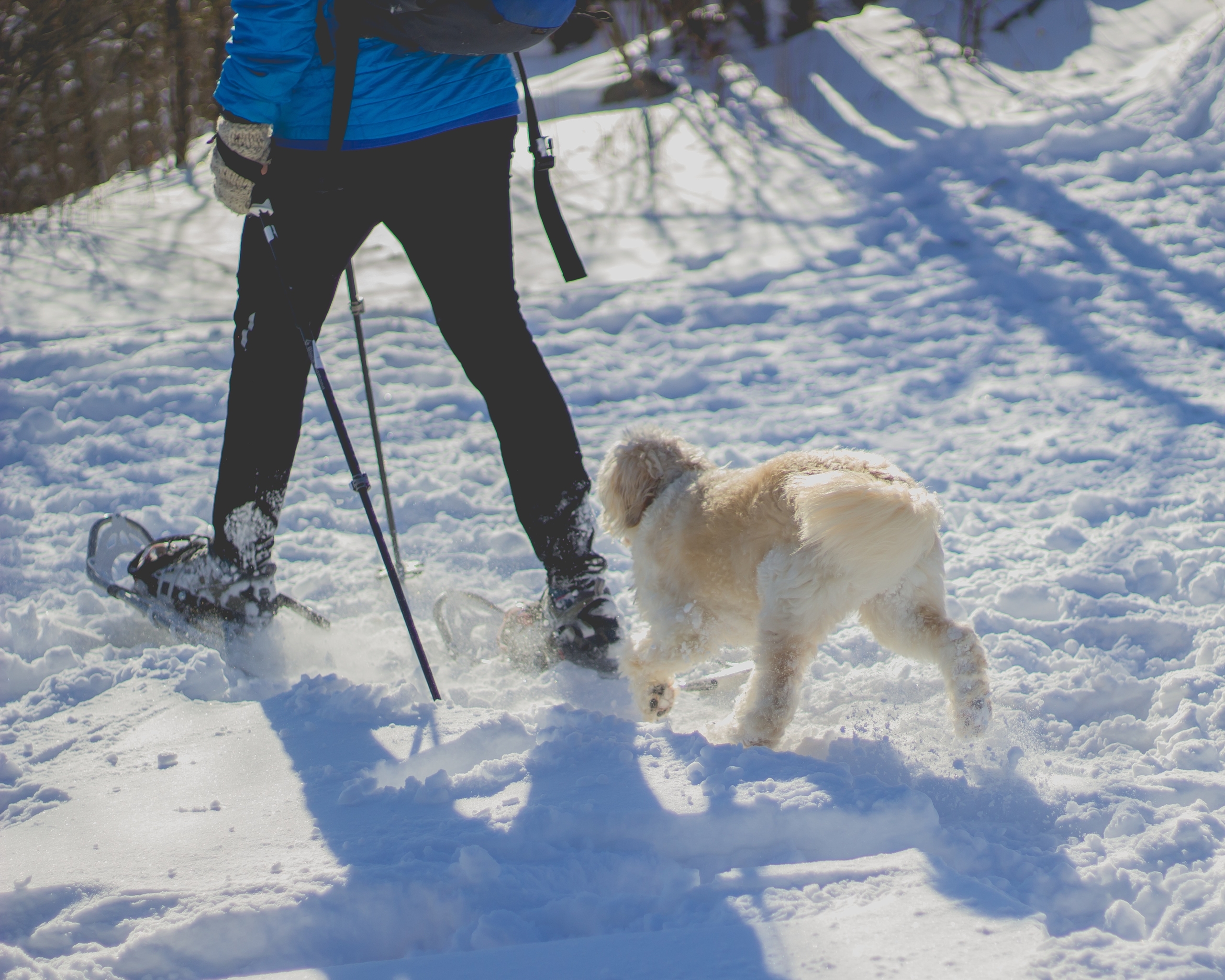
Depending on the terrain, bring snowshoes or crampons for mobility in deep snow or icy conditions. Ensure they are appropriate for the specific winter landscape you’ll encounter.
Winter Jacket:
A high-quality winter jacket that is both waterproof and windproof is crucial for staying warm in cold and snowy conditions.
Winter-specific Backpacking Stove:
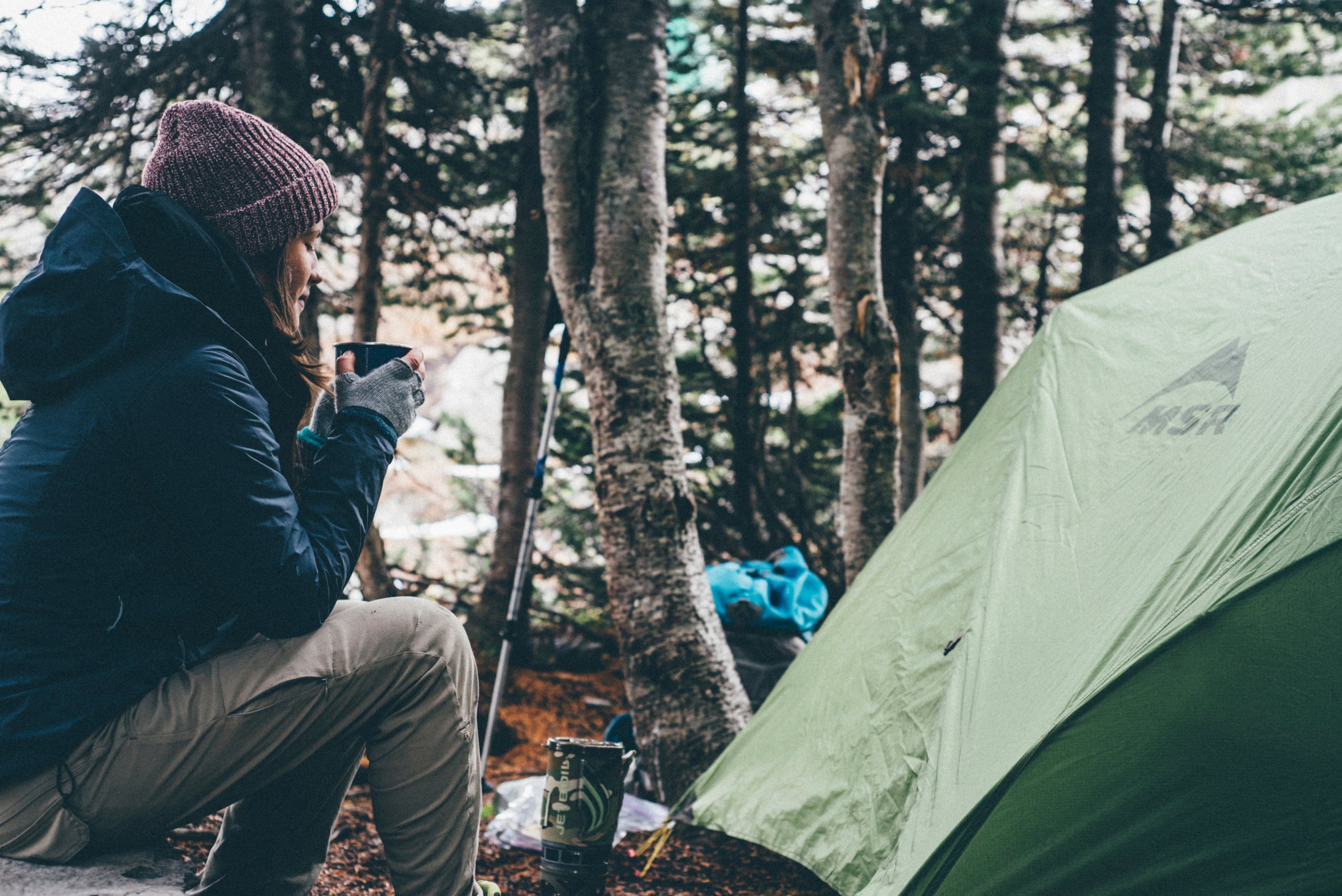
Standard backpacking stoves may struggle in freezing temperatures. Opt for a winter-specific stove that can handle cold conditions and choose a fuel that doesn’t freeze easily.
Avalanche Safety Gear (If Applicable):
In areas prone to avalanches, carry essential avalanche safety gear, including a beacon, probe, and shovel. Take an avalanche safety course to understand the risks and proper procedures.
Insulated Water Bottles:
Prevent water from freezing by using insulated water bottles. Consider a thermos for hot drinks to stay hydrated and warm.
Headlamp or Flashlight:
Winter days are short, and darkness descends quickly. Carry a reliable headlamp or flashlight with extra batteries for navigation and setting up camp at night.
Budget-Friendly Winter Camping Gear Options
Winter camping doesn’t require expensive gear. Budget tips: Use your 3-season tent with a warmer sleeping bag; layer multiple sleeping pads instead of buying an expensive one; rent avalanche safety gear for occasional trips; borrow or rent gear before investing. REI’s used gear program and local gear swaps offer discounted quality equipment.
Winter Camping Tips: How to Stay Warm, Dry & Safe
Plan and Prepare:
Thoroughly plan your trip, considering all aspects from the route to the gear. Check weather forecasts, trail conditions, and any specific regulations for the chosen camping area.
Practice Leave No Trace Principles:
Minimize your impact on the environment by following Leave No Trace principles. Pack out all waste, avoid trampling on sensitive vegetation, and camp at least 200 feet away from lakes and streams.
Stay Hydrated and Nourished:
Winter camping requires extra energy to stay warm. Stay hydrated by consistently drinking water and pack high-calorie, easy-to-prepare foods to fuel your body in the cold.
Monitor Weather Conditions:
Stay vigilant about changing weather conditions. Be prepared to adapt your plans if unexpected weather events occur, and prioritize safety in all decisions.
Keep Warm and Dry:
Prioritize staying warm and dry to prevent hypothermia. Change into dry clothes if you get wet, and pay attention to signs of cold-related injuries.
Embrace the Silence:
Winter camping offers a unique opportunity to experience the serene beauty of nature in its quietest moments. Embrace the stillness, listen to the subtle sounds of winter, and savor the peacefulness from the inside of your snow-covered tent.
Whether you explore Colorado’s snow-covered forests, alpine lakes, or majestic mountains, winter camping in Colorado promises to be an exciting winter adventure. Make the most of the snowy days with a camping trip or other winter activity before we’re out rafting our favorite rivers again! Read more about how winter affects the whitewater rafting season and book your trip to get stoked about your next big summer adventure.
Colorado Winter Camping Safety: Hypothermia, Frostbite & Avalanche Awareness
Winter camping safety requires awareness of three main risks: hypothermia, frostbite, and avalanches. Prevention is always easier than treatment – know the warning signs and take immediate action if symptoms appear.
Recognizing & Preventing Hypothermia
Hypothermia occurs when body temperature drops below 95°F. Warning signs include uncontrollable shivering, slurred speech, confusion, and drowsiness. Prevention: Stay dry (wet clothing loses 90% of insulating value), eat high-calorie foods regularly, and avoid overexertion that causes sweating. If symptoms appear, get the person into dry clothes and a warm sleeping bag immediately.
Frostbite Prevention
Frostbite affects exposed skin, especially fingers, toes, nose, and ears. Early signs include numbness, tingling, and pale or waxy skin. Keep extremities covered and dry, change wet socks immediately, and never ignore numbness. Warm affected areas gradually with body heat – never rub frostbitten skin.
Avalanche Safety
If camping in mountainous terrain above treeline or on steep slopes, avalanche awareness is critical. Check the Colorado Avalanche Information Center (avalanche.state.co.us) before your trip. Carry and know how to use avalanche safety gear: beacon, probe, and shovel. Consider taking an avalanche safety course before venturing into high-risk terrain.
Expert Winter Camping Hacks
Tips from experienced Colorado winter campers:
- Store batteries, fuel canisters, and electronics in your sleeping bag overnight to prevent freezing
- Fill a Nalgene with hot water and place in your sleeping bag 30 minutes before bed
- Use a pee bottle at night to avoid leaving your warm sleeping bag
- Store water bottles upside-down so ice forms at the bottom, not the drinking spout
- Pre-cut food into bite-sized pieces at home – frozen food is nearly impossible to cut at camp
- Bring a thermos with hot tea or coffee made the night before for an instant warm morning drink
- Set up camp before sunset (as early as 4:30 PM in December)
Frequently Asked Questions About Winter Camping in Colorado
Can you camp year-round in Colorado?
Yes, Colorado offers year-round camping opportunities. Many state parks like Steamboat Lake and Cherry Creek maintain winter operations with heated facilities. National parks including Rocky Mountain and Great Sand Dunes have campgrounds open year-round with limited services. Backcountry camping is available year-round in most wilderness areas with proper permits.
How cold does it get winter camping in Colorado?
Colorado winter camping temperatures typically range from 40-45°F during the day to 10-20°F at night at lower elevations. High-altitude locations above 9,000 feet can see overnight lows of -10°F or colder. Always check forecasts for your specific location and plan gear accordingly.
Do I need a permit for winter camping in Colorado?
Permit requirements vary by location. Rocky Mountain National Park requires free backcountry permits available at visitor centers. Maroon Bells-Snowmass Wilderness requires permits bookable on Recreation.gov. Great Sand Dunes offers free backcountry permits at the visitor center. State park camping requires campsite reservations but no additional permits.
What temperature sleeping bag do I need for Colorado winter camping?
Choose a sleeping bag rated to 0°F or lower for Colorado winter camping. A bag rated 10-15 degrees below the expected low temperature provides a comfortable margin of safety. Down bags offer the best warmth-to-weight ratio, while synthetic bags perform better if wet.
Is winter camping safe for beginners?
Winter camping can be safe for beginners who start with the right conditions. Choose a developed campground like Steamboat Lake State Park with heated facilities and easy vehicle access. Camp close to your car your first time, check weather carefully, and avoid backcountry camping until you have experience. Consider joining a guided trip or taking a winter camping course through organizations like Colorado Mountain Club.
How do I keep water from freezing while winter camping?
Prevent water from freezing by storing bottles upside-down (ice forms at bottom, not spout), keeping water bottles inside your sleeping bag at night, using insulated bottle covers, and keeping bottles close to your body during the day. Consider bringing a thermos for hot water to stay hydrated with warm liquids.
When is the best time for winter camping in Colorado?
The best time for winter camping in Colorado is late November through early March, with December through February offering the most consistent snow conditions. Colorado averages 300 days of sunshine, so many winter days are clear and beautiful. Check forecasts to avoid camping during major storms, and plan activities around shorter daylight hours.

Amber Boutwell is a published Denver photographer who loves capturing nature and food. She shoots with natural light but has a deep love for dark skies. When she’s not on mountaintops chasing the Milky Way, she’s managing the great brands behind AVA and The Outlaw Group as their Marketing Manager. She’s been known to quote Joe Pesci, over-kiss cats, enthusiastically eat cheese, and return pugs.
Her motto:
“Seek out places where the Wi-Fi is weak, the views are stunning, and don’t forget the snacks.”